
You’ve probably bought a hair oil that promised everything… and delivered almost nothing.
A few weeks later, it’s sitting at the back of your shelf, half-full, while you’re searching for the next “miracle” bottle.
When purchasing a hair oil, don’t just take the label as gospel. It depends on your hair concern, scalp condition, hair texture and routine. What works well for dry, coarse hair may not work with an oily scalp. Similarly, a light formulation can be inadequate to provide suitable nutrition to brittle lengths.
Know What You Are Trying to Fix
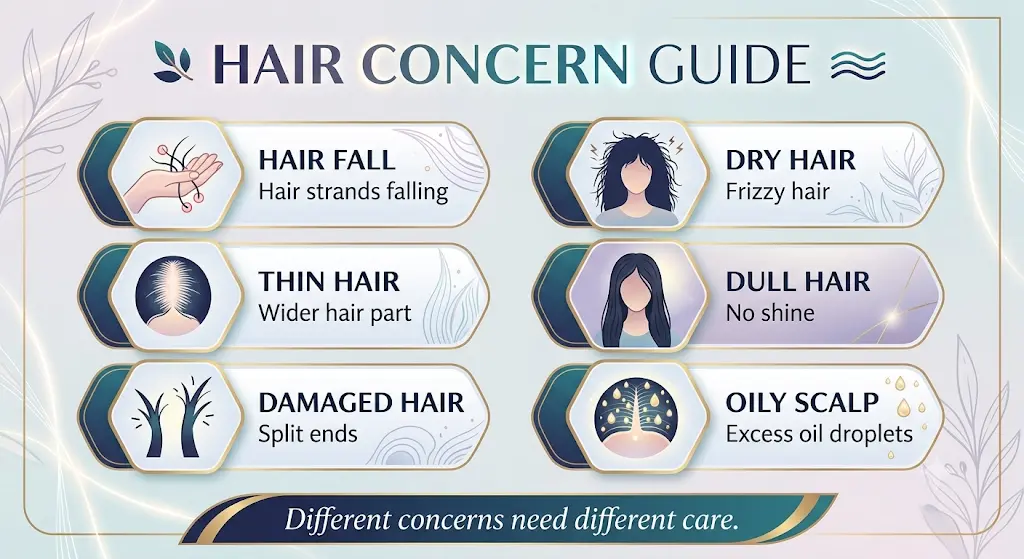
A good purchase starts with one honest question: what does your hair actually need?
If the problem is shedding, then choose hair oil for hair fall that would support scalp care and help reduce the appearance of breakage over time. However, if you have a flaky or itchy scalp, then an anti-dandruff oil that contains less of the active ingredient and more of the soothing ingredients might be more beneficial. When the ends feel rough or dull, then nourishing oils to make the ends soft have got to be a priority.
Common concerns include:
- Hair fall caused by breakage
- Slow growth or weak-looking roots
- Dry, frizzy, or damaged lengths
- Flaky, irritated, or oily scalp
- Thinning around the hairline
- Lack of shine and softness
Trying to solve every concern with one bottle often leads to disappointment. Choose the formula that addresses your main problem first.
Look Beyond the Front Label
Front labels attract attention. The full ingredient list tells you what you are really buying.
A quality natural hair oil may include coconut, almond, castor, olive, jojoba, argan, onion, or amla oil. Each serves a different purpose. Coconut oil is widely used in hair care routines because it helps reduce protein loss and support healthier-looking strands, argan oil softens dry strands, castor oil adds richness, and jojoba oil feels closer to the scalp’s natural oils.
A thoughtful blend may also include herbs, extracts, vitamins, or modern actives. The important thing is whether the ingredients have a clear role and come in a formula your hair can comfortably use.
Look for Clarity, Not Miracle Language
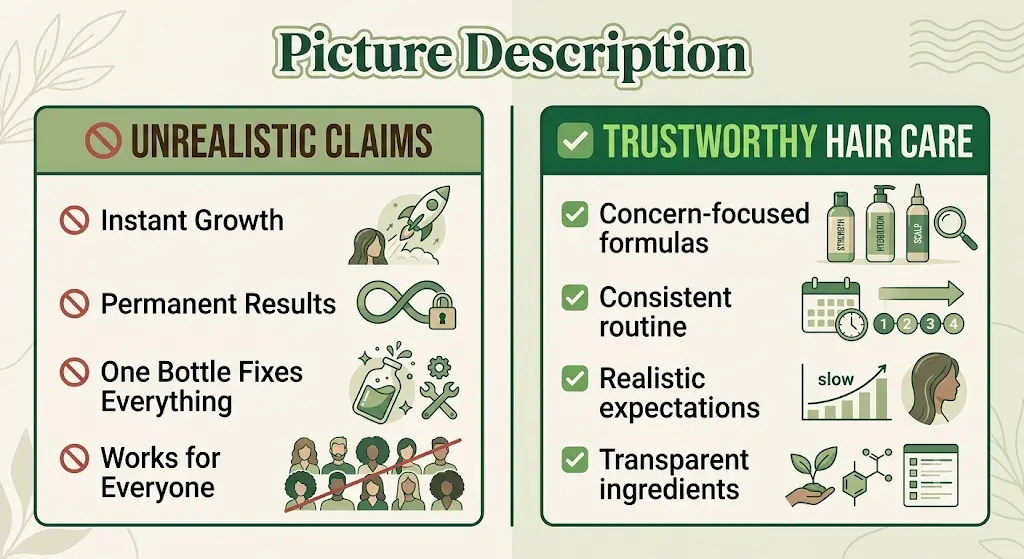
The best hair oil is rarely the one making the loudest promise. Hair growth depends on consistency, scalp health, nutrition, genetics, stress, hormones, and overall care. No oil can rewrite all of that overnight.
Be cautious when a product claims to:
- Stop all hair fall immediately
- Regrow bald areas within days
- Work for every scalp and hair type
- Deliver permanent results after one use
- Replace medical care for serious hair loss
A trustworthy brand explains what the oil supports, how to use it, and when results may realistically appear.
Texture Matters More Than You Think
Even the best formula can be a flop if one doesn’t like using it. Some heavy oils might be more appropriate for dry hair or pre-washing, while lighter oils may work more for regular scalp massage or rainy days.
An argan hair oil might feel more silky or lighter on dry lengths, while castor-heavy blends can feel richer. The type of carrier oils, concentration and formulation of a rosemary hair oil can also be different.
Before buying, ask:
- Will this wash out easily?
- Can I use it once or twice a week?
- Does my scalp tolerate essential oils?
- Will the fragrance bother me?
- Is the bottle easy to apply?
The easier a product fits into your routine, the more likely you are to use it consistently.
Growth Oil Is Not the Same as Instant Growth
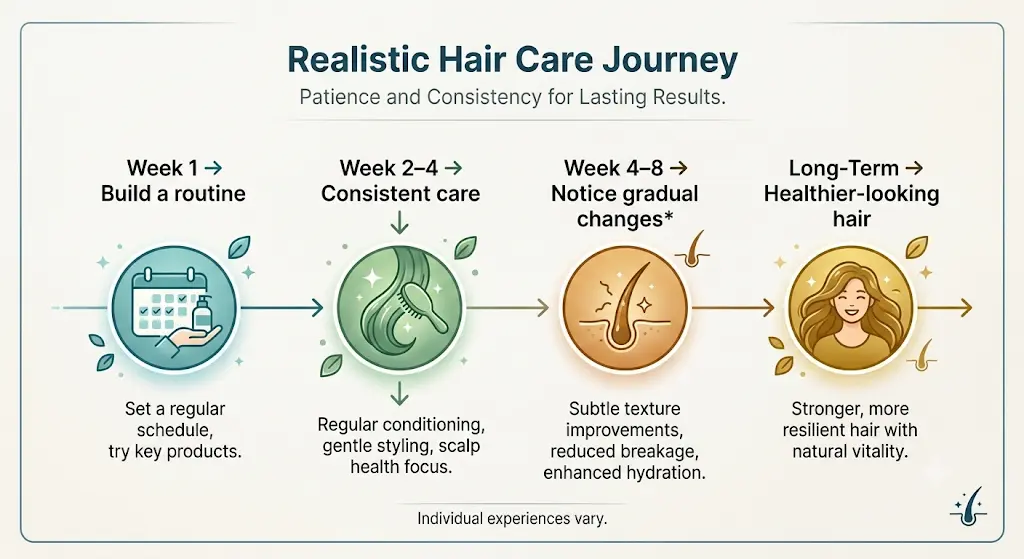
A hair growth oil should be designed to support a healthy scalp environment and healthier-looking hair over time. Depending on the formula, it may help reduce breakage, improve moisture, and encourage a consistent hair care routine. This can involve less breakage, better moisture and care around sensitive areas, and scalp massage.
This is where hair oiling becomes more important than simply owning a bottle. Use the right amount, apply it with intention, and give your scalp time. More oil does not mean faster results. Heavy application can make washing difficult and leave some scalps feeling congested.
Choose a Product You Can Use Consistently
Don’t just think about the ingredient trend before checkout; think about the entire experience! Read the instructions, capacity, usage and whether the type of formula is suitable to your lifestyle.
A smart purchase should offer:
- Ingredients suited to your main concern
- A texture you enjoy using
- Clear and realistic instructions
- Honest claims and transparent information
- A routine you can maintain for several weeks
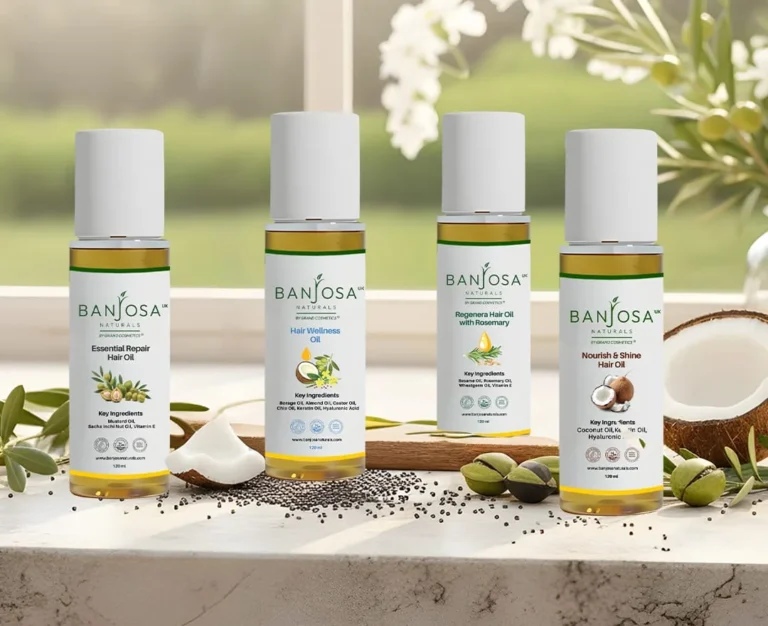
At Banjosa Naturals, we believe hair care should feel purposeful rather than confusing. Nature has science, and we bottled it into concern-focused formulas created for real routines, real struggles, and gradual, visible care.
Buy for Your Hair, Not the Hype
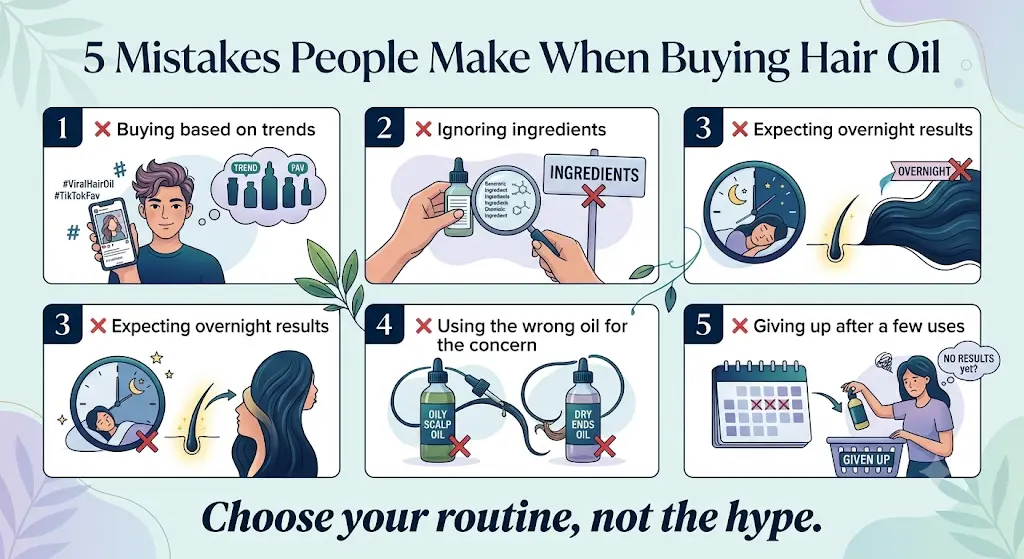
You should never pick the next bottle you purchase because it’s popular, heavily scented, or loaded with sensationalist marketing phrases. Choose it because the formula makes sense for your scalp, strands, and routine.
The proper oil will not require you to believe in magic! It offers a practical way to care for your hair with patience, consistency, and ingredients chosen for a reason.
Still Not Sure Which Hair Oil You Need?
Hair Fall?
↓
Hair Wellness
Hair Growth?
↓
Regenera
Thin Hair?
↓
21 Botanicals
Damaged Hair?
↓
Essential Repair
Need Shine?
↓
Nourish & Shine
Every hair concern is different, which is why choosing a formula that matches your primary concern can make your routine feel more intentional. Rather than expecting one oil to do everything, start with the concern you’d like to address most.