
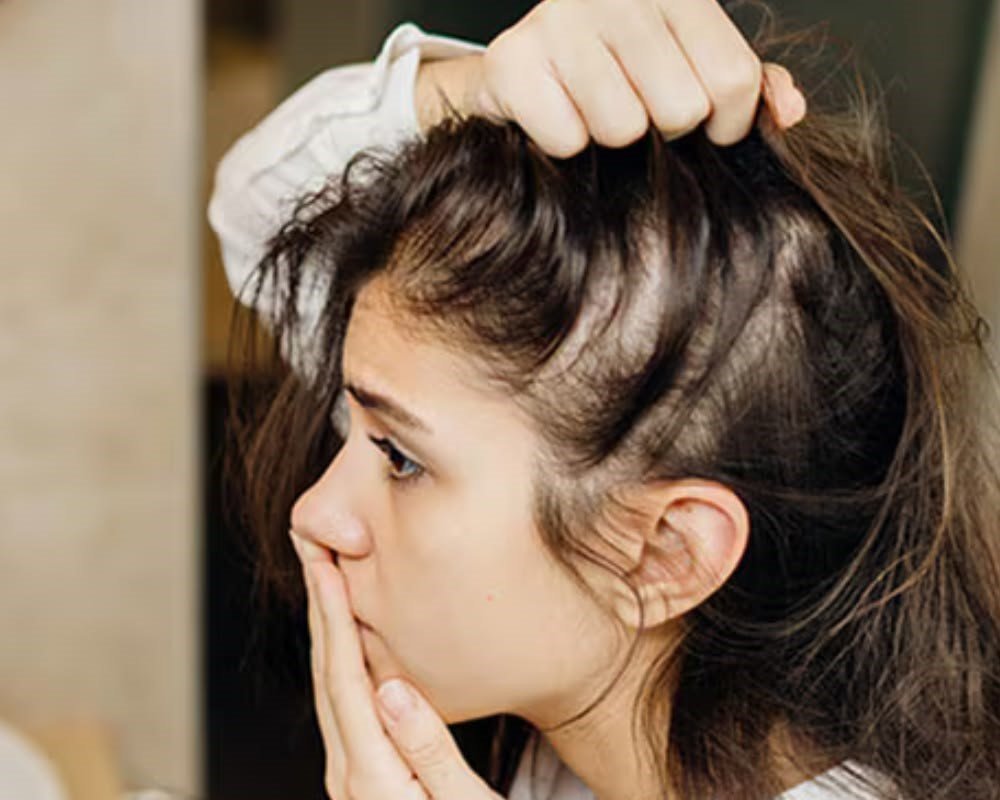
You notice it in small ways first. Your ponytail feels a little thinner. More strands collect around the shower drain. Your part looks wider than it used to, and your scalp seems more visible in certain lighting. Then one morning, you catch your reflection and wonder, “When did my hair get this thin?”
Typically, it hasn’t.
While hair thinning slowly progresses over weeks or months, styling, stressing, diet, hormones and the condition of the scalp all continue. When the change is becoming apparent, the process may have already been going on. Knowing what’s going on will help you not react but act calmly to select the first hair oil that promises a fix.
Hair Growth Happens in Cycles
Every strand moves through a natural cycle. Some hairs are growing, some are resting, and some are preparing to shed. Losing strands each day is normal because new and old hairs are constantly changing places.
Several things can interrupt the cycle:
- Emotional or physical stress
- Hormonal changes
- Nutritional deficiencies
- Illness or high fever
- Rapid weight loss
- Poor sleep
- Tight hairstyles
- Frequent heat or chemical damage
This does not mean every lost strand signals a serious problem. Hair often reflects what your body has been dealing with.
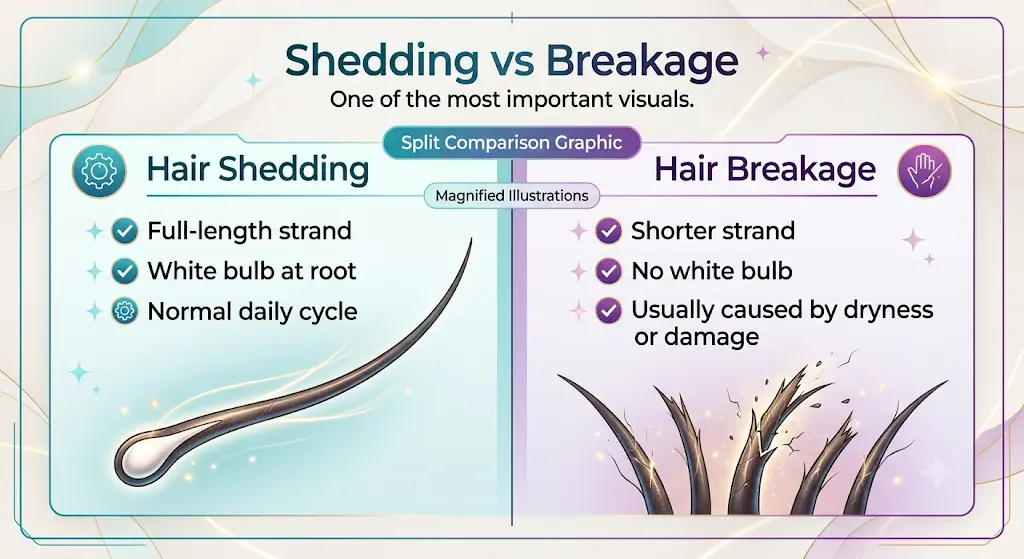
Shedding and Breakage Are Not the Same
Many people assume every fallen strand came from the root. It’s not always that.
Brushing and heat styling a lot can cause the hair to become dry, overworked, and rough, leading to breakage. These broken pieces may be shorter than the rest of your hair and may not have a small white bulb at one end.
Full-length strands of roots are typically seen with root shedding. Hair oil for dry hair can help improve softness and support healthier-looking strands., but it is not a solution for all causes of hair fall. The type of routine depends on the type of vision you are seeing.
Your Scalp May Be Sending Clues
A healthy-looking scalp gives hair a better environment to grow. Flaking, itching, excess oil, product buildup, or irritation can make the scalp uncomfortable and disrupt your routine.
Pay attention to changes such as:
- Ongoing dandruff or itching
- Tender areas
- Sudden oiliness
- Dry, tight patches
- Thinning around the hairline
- Increased shedding after scratching
A light cleansing regime, scalp massage, and appropriate anti dandruff oil would be beneficial in case dryness and flakes are your troubles. In any case of constant reddening, pain, or patchy hair loss, you should consult an expert.
Stress Often Shows Up Later
Hair can react weeks after a difficult period. A stressful month, illness, surgery, major life change, or disrupted sleep may not affect your hair immediately. The shedding may appear later, when the original event already feels distant.
This delay can make the cause difficult to recognize. You may blame a new shampoo or assume your hair suddenly stopped growing, when the trigger began much earlier.
Instead of focusing only on the past few days, think back over the last two or three months. Your hair may be telling an older story.
Hair Oil Can Support, but It Cannot Do Everything
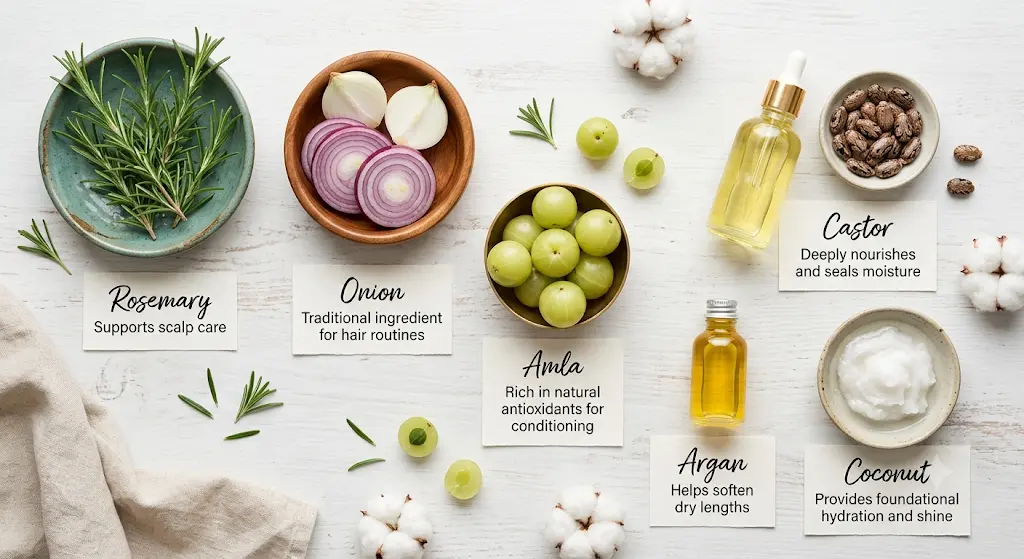
A well-formulated hair growth oil can enhance your hair care routine through reduction of friction, moisturization, and ease of scalp massage. The use of various ingredients such as rosemary, onion, amla, coconut, argan, and castor oils can cater to specific needs.
Rosemary hair oil for hair growth is usually selected for scalp-related routines, while argan hair oil is ideal for dry, frizzy hair. You can use an onion hair oil, in case you are interested in more traditional ingredient.
Still, consistency matters more than using large amounts. Oil should complement cleansing, nutrition, sleep, gentle handling, and medical advice when needed.
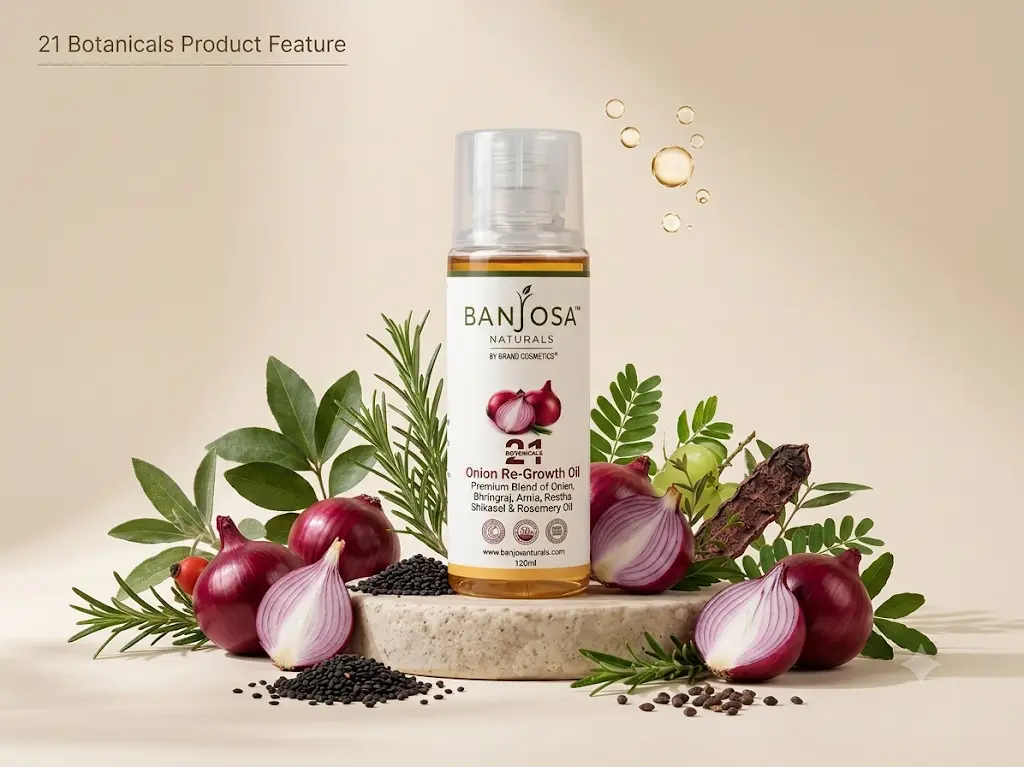
Is 21 Botanicals Onion Re-Growth Hair Oil Right for You?
✓ Hair looks thinner than before
✓ You notice more hair on your pillow or in the shower
✓ Your ponytail feels less full
✓ You want to support healthier-looking hair growth
✓ You prefer a botanical hair care routine
What You Can Do Now
Start with simple observations rather than panic.
- Track shedding for a few weeks
- Notice whether strands are breaking or falling from the root
- Avoid very tight hairstyles
- Reduce unnecessary heat
- Eat regular, balanced meals
- Keep the scalp clean
- Use oil in moderate amounts
- See a dermatologist if thinning is sudden, patchy, or persistent
These steps will not create overnight change, but they can help you understand your pattern and protect the hair you have.
Is Your Hair Trying to Tell You Something?
✓ Hair looks thinner than before?
↓
✓ Hairline becoming more visible?
↓
✓ More strands in your brush?
↓
✓ You’re looking to care for thinning-looking hair
↓
Consider building a consistent hair care routine with 21 Botanicals Onion Re-Growth Hair Oil
Give Your Hair the Right Kind of Attention
Hair thinning is often a personal experience because one’s hair is linked with their identity, routine and confidence. Still, the answer rarely lies in chasing one dramatic promise after another.
Banjosa Naturals strongly believes that caring starts with understanding. The best hair oil for hair growth is the one that fits naturally into your routine, and supports consistent care without relying on unrealistic promises. While it’s a gradual change, it’s one that you can handle with thoughtful habits and patience, consistency and a better understanding of what your hair may require.
Hair is personal, and so is the journey. Factors like your routine, nutrition, stress levels, hormones, and overall scalp health all play a role in how your hair responds over time. That’s why consistent care, rather than quick fixes, is often the most important part of any hair care routine.